Guest Post! Monotheism & D&D (1 of 2)
(Today’s post is not me, Mark L. Chance, getting back into writing for this site. Rather, it’s Christopher “Giant Boy” Chance stepping in as a guest poster. Huzzah.)
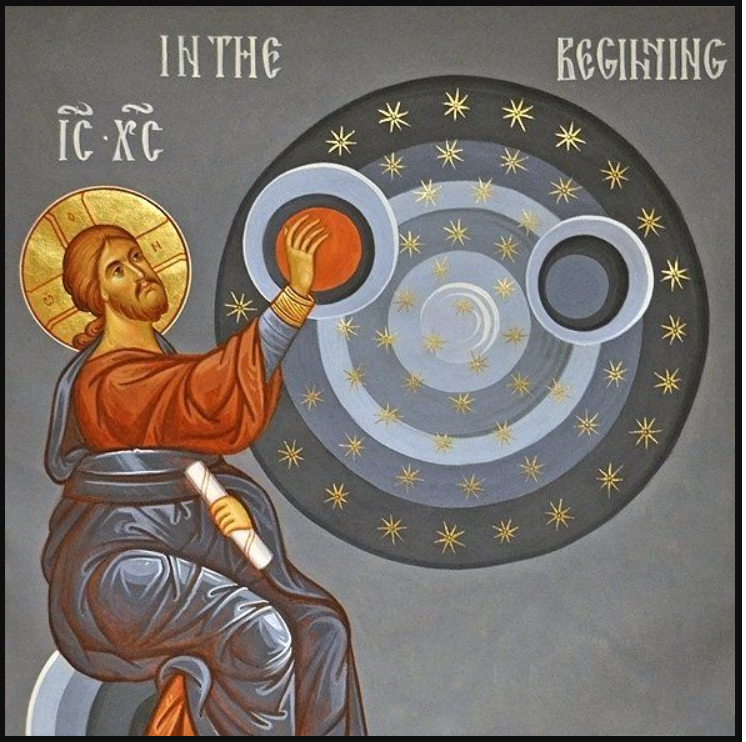
How One Could Do A Monotheistic Campaign (Part I)
Greetings, readers of Spes Magna Games. This is Christopher Chance (aka Giant Boy) writing this feature blog post. I have been giving thought to how one could do a monotheistic campaign setting for a D&D campaign, mainly because I wish to encourage fellow Christians to not be afraid of participating in table-top, pencil-and-paper roleplaying games. Here is how I think it could work if you come across players who are either uncomfortable with or don’t want to play in a polytheistic campaign setting.
Step #1: The GM Gets to Have the Final Say
This one should be a no-brainer. Yes, healthy gaming groups have a GM who is willing to listen to advice and feedback from his or her players when the situation warrants it, but the players should know and be willing to accept that the GM ultimately has the final say. If the GM does not wish to do a monotheistic campaign, then the players should be willing to accept this. But, if the GM is willing to try their hand at something that seems rare at D&D tables, we should proceed to the next steps.
Step #2: The One True God
In a monotheistic campaign setting, the true God (or “High God” if you want to take a henotheistic variant on this idea) needs to clearly stand out from the lesser beings that the ignorant PCs and NPCs in your campaign setting mistakenly worship as gods or goddesses. The true God in a monotheistic campaign not only needs to be a purely spiritual being but also the “Uncreated Creator” of the campaign setting in general. According to classical positions among philosophers, the following would be traits you would need to give your setting’s true God:
1. Aseity: The setting’s true God does not depend on any cause other than himself for his existence, realization, and end, and has within himself his own reason of existence.
2. Immutability: The setting’s true God is unchanging in his character, will, and covenant promises.
3. Impassibility: The setting’s true God does not experience pain or pleasure from the actions of another being.
4. Ineffability: The setting’s true God surpasses the ability of language to fully express his nature, attributes, motives, et cetera.
5. Omnibenevolence: The setting’s true God possesses maximum goodness and permits the existence of evil in order to bring a greater good out of it.
6. Omnipotence: The setting’s true God possesses maximum power and can do all things that are logically possible that do not contradict his other attributes.
7. Omniscience: The setting’s true God possesses maximum knowledge of all things that are logically possible.
8. Simplicity: The setting’s true God is a single, unified entity with no distinction between his attributes. He has no parts.
9. Transcendence: The setting’s true God is completely independent of the material world (e.g., all of Creation itself) and is beyond all physical laws.
The GM should decide if and when the true God decides to make himself known to the residents of the campaign setting for the purpose of starting an organized religion around him. To make the campaign setting “nice and messy” about which religion is true (as most inhabitants would be ignorant that the true God is the only being worthy of receiving divine worship), the lesser gods and goddesses should have organized religions and cults built up around them as well.
This brings us to the end of the first part of this thought experiment. In the second part, I will give thoughts on how to handle the lesser gods and goddesses in a monotheistic campaign setting.


Leave a Reply