Guest Post! Monotheism & D&D (2 of 2)
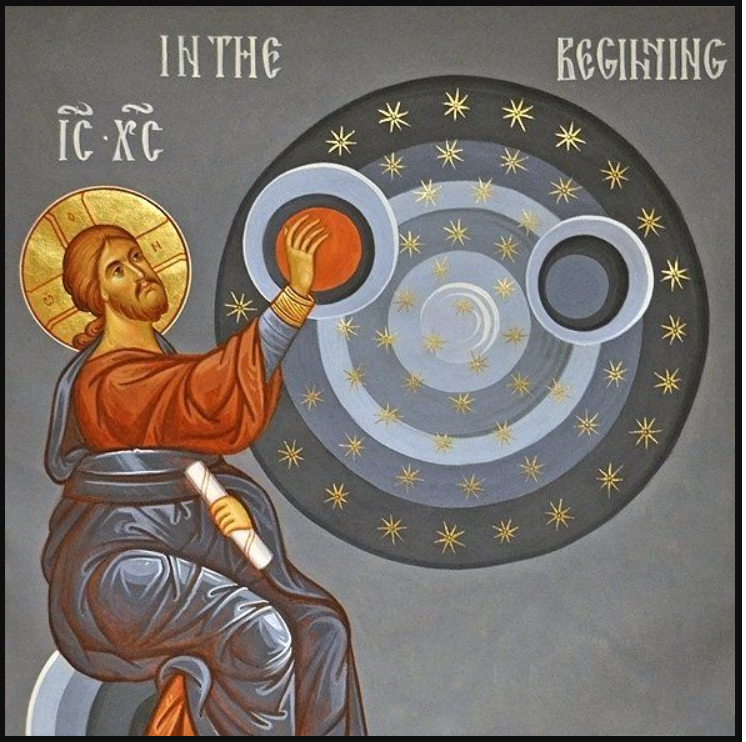
In the first part of this thought experiment, I focused on how the setting’s true God would function within a monotheistic campaign setting. In this second part, I will focus on what to do about the other gods and goddesses mistakenly worshiped by ignorant PCs and NPCs.
Step #3: The Other Gods and Goddesses
What about the lesser beings mistakenly worshiped as gods and goddesses in your monotheistic campaign setting? In keeping with real-world history, the existence of a true God in your campaign setting doesn’t mean that other religions in the setting suddenly cease to exist. As is the case with other D&D settings, you can still have your monotheistic campaign setting be set in an otherwise predominantly classical pagan world.
Since clerics of other faiths would need to get their divine spells from somewhere (this is a rule that has been present in all the published editions of D&D), it makes sense that these “lesser gods and goddesses” would still exist in the campaign setting. That perhaps could be one of the religious mysteries centered around the true God of your monotheistic campaign: “Why does the true God permit the existence and worship of other gods and goddesses by the ignorant?”
The classical Jewish and Christian understanding of the pagan gods was that, if they actually did exist and simply weren’t made up, they were perhaps higher angelic spirits who rebelled against God and left their assigned posts in the celestial hierarchy. So, perhaps in your monotheistic campaign, the other gods and goddesses were originally high-ranking Celestials assigned to protect individual groups of mortals, but something happened in the mythic past that caused these high-ranking Celestials to be worshiped mistakenly as deities and demigods. Whether it was intentionally done by the Celestials themselves or done first by the mortals can be left up to the GM’s prerogative.
In AD&D’s first and second published editions, a deity’s divine rank (greater, lesser, et cetera) set a limit on the adherent cleric’s granted spells (which before 3rd Edition was limited to the 7th spell level). In an old school style game, perhaps the GM can use this mechanic to differentiate the setting’s true God from the other gods and goddesses. Thus, the true God would be the only available deity who is at the divine rank of “greater deity”. According to the 1st Edition Deities and Demigods handbook, the following information is how cleric spells and patron deities normally operate:
1. All 1st and 2nd level cleric spells are gained through the cleric’s knowledge and faith. 3rd and higher level cleric spells are gained through the act of prayer.
2. 3rd through 5th level cleric spells are granted by the supernatural servants or minions of the cleric’s patron deity. For example, a cleric of a lawful good deity would, after praying, receive his 3rd through 5th level cleric spells through a Celestial creature appointed as the deity’s intermediary to the cleric. These appointed supernatural servants and minions range from creatures to demigods.
3. A cleric whose patron deity is of the demigod rank (and not the lesser god or greater god rank) receives his 3rd through 5th level spells directly from their patron deity. In 1st Edition, a demigod could not grant cleric spells above 5th level.
4. 6th and 7th level spells are granted to clerics directly from their patron deities (in this case being lesser gods and greater gods). In 1st Edition, a lesser god could not grant cleric spells above 6th level; only a greater god could grant 7th level cleric spells.
In terms of keeping the setting’s true God as the only deity at the divine rank of greater god, the GM could simply downgrade the other gods and goddesses by one divine rank so that none of them rank higher than lesser god. Not only will this make potential clerics of the true God notably stand out when they inevitably appear in the campaign, but the ability to receive 6th level cleric spells from the other gods and goddesses can serve as an in-game incentive for many PCs and NPCs to persist in their ignorance of the setting’s true God being the only deity worthy of worship.
I now come to the end of my article for this gaming blog. I hope it proves useful to anyone reading it that pondered how to do a monotheistic campaign setting at their gaming table.

